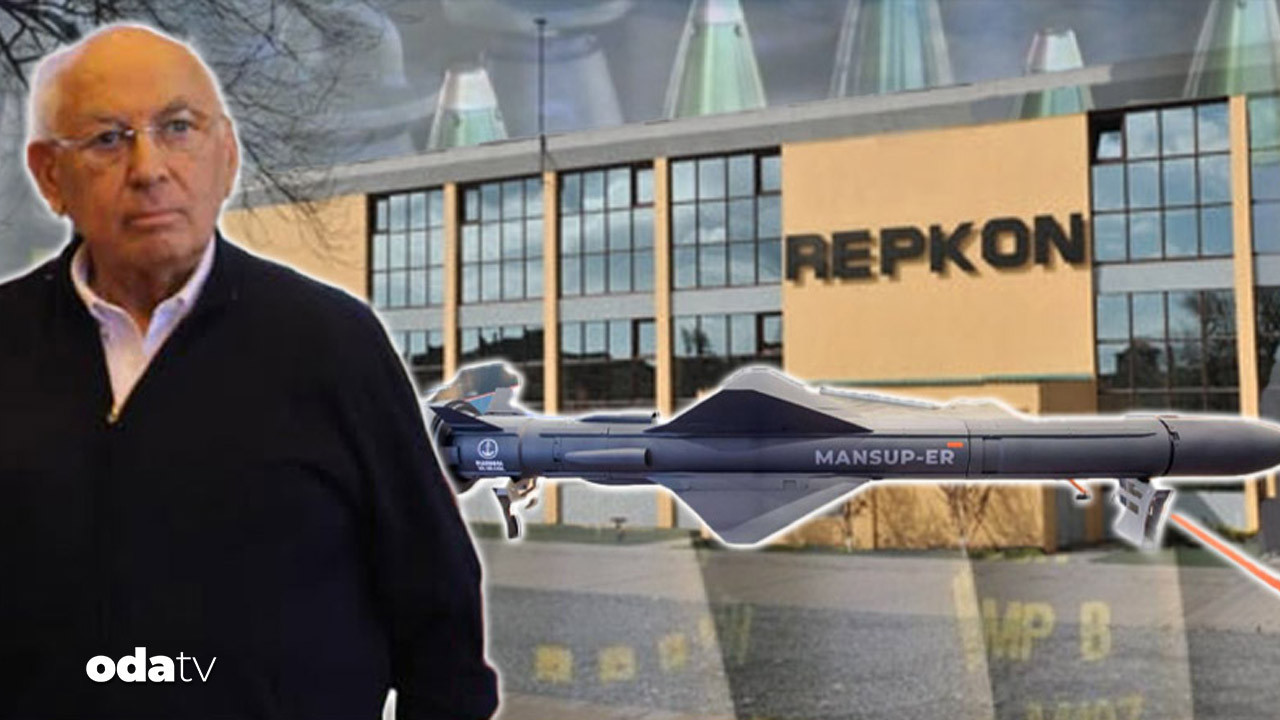
Repkon's Remarkable Ascent: From Metal Bending to Global Defense Powerhouse
The story of Repkon is a testament to strategic vision, adaptability, and ambitious growth, transforming from a humble Turkish metal-bending enterprise into a significant player on the global defense stage. While the specific individuals comprising the ultimate Repkon Sahibi (owner) structure are not always in the public spotlight, the company's journey itself speaks volumes about the entrepreneurial spirit and strategic prowess guiding its trajectory. This article delves into Repkon's evolution, its pivotal acquisitions, the controversies it has faced, and what its rise signifies for the international defense landscape.
Repkon's Humble Beginnings: From Metal Bending to Industrial Powerhouse
Repkon's roots trace back to 1978, when it embarked on its industrial journey in Turkey. Initially, the company's operations were focused on sectors like metal bending and the rim industry. This early phase laid a foundational understanding of precision engineering, material science, and manufacturing processes – skills that would prove invaluable in its future endeavors. Like many successful industrial firms, Repkon demonstrated an early capacity for innovation and a commitment to quality, allowing it to carve out a niche in its initial markets. However, the true turning point in Repkon's history came with a strategic pivot.
Recognizing the immense potential and critical importance of the defense sector, Repkon began to transition its focus and capabilities. This wasn't merely an incremental shift but a deliberate and significant reorientation of its corporate strategy. The defense industry demands exceptionally high standards of reliability, technological sophistication, and precision, and Repkon's ability to successfully enter and subsequently excel in this arena highlights its rapid development and investment in advanced manufacturing techniques and R&D. Over the years, this strategic move transformed Repkon into a respected entity within Turkey's burgeoning defense ecosystem, positioning it for even greater global aspirations.
The Strategic Leap: Acquiring a Global Defense Foothold
The most dramatic chapter in Repkon's expansion narrative unfolded with its aggressive push into the United States market, culminating in a landmark acquisition that cemented its status as a global defense owner. The establishment of Repkon USA in 2024, notably after the geopolitical shifts following October 7, 2023, signaled a clear intent for international growth and strategic positioning. This American subsidiary quickly became the vehicle for a move that reverberated across the defense industry.
In 2025, Repkon USA successfully acquired a major production facility in Texas from the American defense giant, General Dynamics. This acquisition was not merely an expansion; it was a strategic coup. With this purchase, Repkon became the sole proprietor of the United States' facility dedicated to the production of MK-80 series and derivative general-purpose bomb bodies. These types of bombs are foundational components in modern air power, widely utilized by F-16 fighter jets and other platforms globally. The acquisition immediately vaulted Repkon into an elite tier of defense manufacturers, providing it with critical control over a vital component of international military supply chains. It also garnered significant attention from the American conservative media, highlighting the strategic implications of a Turkish-origin company owning such critical defense infrastructure within the US. Turkish Repkon: Owner of US's Sole MK-80 Bomb Factory delves deeper into the specifics of this acquisition and its broader impact.
This bold move illustrates a sophisticated understanding of global defense market dynamics and an appetite for significant investment. For any company, particularly one originating from outside the traditional Western defense industrial base, to acquire such a strategic asset in the US marks an extraordinary achievement. It speaks to the corporate vision and financial acumen of Repkon's leadership, confirming its transition from a regional player to a vital component of the global defense manufacturing network.
Navigating the Storm: Repkon, Controversies, and Public Scrutiny
While Repkon's rise was initially celebrated as a "national pride" story in certain segments of the Turkish media, its global expansion soon brought it into the crosshairs of international controversy, particularly concerning alleged arms sales to Israel. The company found itself at the center of a social media storm following reports that it was a key supplier in a US military aid package to Israel.
The controversy ignited when the United States, bypassing congressional approval, authorized an urgent $2.04 billion military sale to Israel on a Friday in March. The approved list of military items notably included 35,529 MK-84 or BLU-117 general-purpose bomb bodies and 4,000 I-2000 "penetrator" bunker-buster warheads. Given Repkon's recent acquisition of the sole US MK-80 type bomb factory, it was quickly identified as the primary supplier for these crucial components. This development led to widespread criticism on social media, with many accusing Turkey, through Repkon, of indirectly facilitating arms sales to Israel during a period of heightened public tension and disapproval of such trade.
In response to the mounting pressure, Repkon issued a press release on its Turkish websites, stating, "Söz konusu süreçte Repkon’un herhangi bir talebi, kararı veya satış işlemi bulunmamaktadır" (Repkon has no demand, decision, or sales transaction in the process in question). However, this statement was perceived by critics as an attempt to deflect responsibility and was seen as ignoring the declarations made by the US State Department regarding the sale. The Greek press, for its part, went as far as to label Repkon as "Turkey's Trojan horse," highlighting the geopolitical sensitivities surrounding the issue. Repkon Controversy: The Firm Owning US Bomb Supply to Israel provides a more detailed account of this contentious period.
The public outcry and international scrutiny led to a notable shift in how Repkon was portrayed by Turkish media. Previously, outlets like Yeniçağ and Yeni Akit had lauded Repkon as "Turkey's domestic and national defense," celebrating its "unique in the world" capabilities and suggesting that "Germany will learn from Turkey." A Haber's English channel, Anews, also praised Repkon's defense industry "achievements." However, as the controversy unfolded, several Turkish news outlets, including the Anadolu Agency, removed Turkish articles about Repkon from their websites, though some English reports, devoid of the company's Turkish connections, remained. This change in narrative underscores the volatile nature of public perception and the delicate balance companies in the defense sector must maintain, especially when operating across complex geopolitical landscapes.
Understanding Repkon's Leadership and Vision
While the exact composition of the Repkon Sahibi—the ultimate individual or corporate owner(s)—is not publicly detailed in the provided context, the company's extraordinary journey is undeniably shaped by strong leadership and a clear strategic vision. Such a rapid ascent from a local metal bender to an international defense owner requires consistent direction and decisive action. İbrahim Külekçi is mentioned as the CEO of Repkon, a pivotal role in steering the company through its periods of intense growth and challenging controversies. A CEO, while not necessarily the owner, is instrumental in executing the corporate strategy, managing operations, and representing the company's interests globally.
The vision behind Repkon's expansion appears to be multifaceted: identifying strategic market gaps, investing heavily in advanced manufacturing technologies, and making bold international acquisitions. The decision to acquire a critical US defense facility, for instance, reflects not just ambition but also an astute understanding of how to embed itself into the global defense supply chain, thereby enhancing its market position and influence. This kind of strategic insight is typically a hallmark of experienced corporate leadership and a robust ownership framework committed to long-term growth.
Furthermore, Repkon's story offers insights into the evolving nature of the global defense industry. It highlights how companies from emerging defense economies can leverage technological advancements and strategic investments to compete with, and even acquire assets from, established players in Western markets. The success of such a venture hinges on:
- Technological Prowess: The ability to master complex manufacturing processes and innovate in defense technology.
- Strategic Foresight: Identifying future market needs and geopolitical shifts to position the company advantageously.
- Risk Management: Navigating political sensitivities and public scrutiny, especially when operating in highly regulated and controversial sectors.
- Global Integration: Successfully integrating operations and supply chains across different national regulatory and cultural environments.
The corporate entity that is Repkon, guided by its leadership, demonstrates these qualities, propelling it into a unique and powerful position within the international defense community.
Conclusion
Repkon's journey is a compelling narrative of transformation, innovation, and strategic assertiveness. From its origins in metal bending in 1978, the company has skillfully navigated industrial shifts to become a formidable force in the defense sector, culminating in its groundbreaking acquisition of the US's sole MK-80 bomb production facility. This trajectory, orchestrated by its leadership, positions Repkon as a significant global defense owner, capable of influencing critical supply chains. However, this global prominence has not come without challenges, as evidenced by the intense scrutiny surrounding its alleged involvement in controversial arms sales. Repkon's story underscores the complexities of operating in the modern defense industry, where technological leadership, strategic expansion, and geopolitical sensitivities are inextricably linked. As the company continues to evolve, its impact on both the Turkish and international defense landscapes will undoubtedly remain a subject of keen observation and discussion.