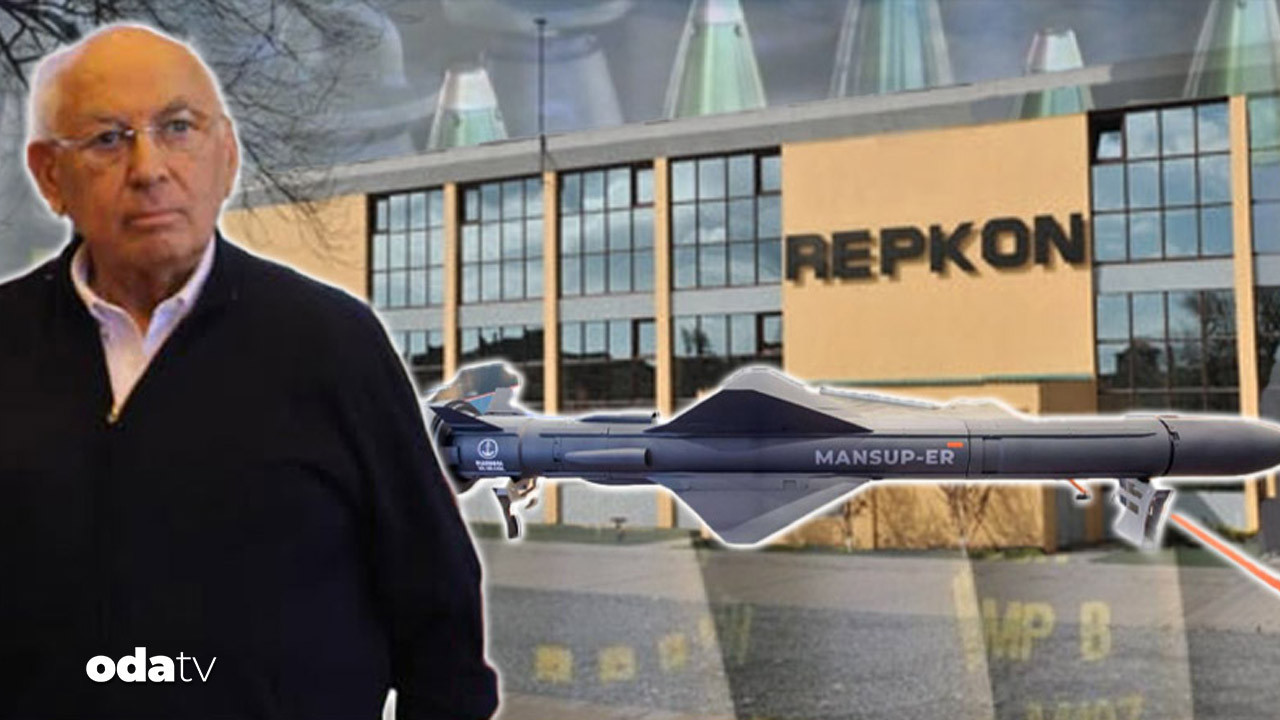
Turkish Repkon: Owner of US's Sole MK-80 Bomb Factory
In the intricate landscape of global defense manufacturing, few stories encapsulate the complexities of international trade and geopolitical sensitivities quite like that of Repkon. This Turkish-origin firm has recently garnered significant attention, not least for its surprising role as the owner of the United States' sole production facility for general-purpose MK-80 series bombs. This pivotal ownership places Repkon at the nexus of strategic defense capabilities and ongoing international discourse, particularly concerning arms supplies.
Repkon, a company with roots stretching back to 1978, has quietly evolved from a metal bending and rim industry enterprise into a formidable force in the defense sector. Its most notable strategic move, however, came with the acquisition of a key General Dynamics production facility in Texas. This monumental purchase in 2025 by Repkon USA, an American subsidiary established shortly after the critical events of October 7, 2023, cemented Repkon's status as the proprietor of the only plant in the US capable of manufacturing vital MK-80 and derivative general-purpose bombs, including the formidable MK-84 and BLU-117 bomb bodies, as well as I-2000 penetrator warheads. These munitions are critical components for various air forces globally, notably those operating F-16 fighter jets.
The Strategic Significance of Repkon's Pivotal Acquisition
The acquisition of the Texas facility by Repkon USA marked a significant shift in the global defense manufacturing landscape. For a Turkish-origin company to become the Repkon Sahibi—the owner—of such a strategically vital American asset is a testament to its ambitious growth trajectory and technological prowess. This facility is not merely one among many; it is explicitly cited as the *only* one in the United States producing the MK-80 series of general-purpose bombs. These bombs, used extensively in modern aerial warfare, represent a cornerstone of air power for many nations, including the US and its allies.
The strategic implications of this ownership cannot be overstated. It highlights the increasing interdependence of global defense supply chains and raises questions about national security interests when critical manufacturing capabilities reside under foreign ownership. The move captured the attention of various circles, including American conservative factions, who scrutinize foreign influence over domestic defense infrastructure. Repkon's control over this exclusive production line means it holds a unique position in ensuring the supply of essential munitions, directly impacting the operational readiness of air forces that rely on these systems.
Repkon's Journey: From Local Industry to Global Defense Player
Humble Beginnings and Diversification
Repkon's origins trace back to 1978, when it was founded with a focus on metal bending and the rim industry. This early expertise in precision metalwork laid the groundwork for its eventual pivot towards more complex manufacturing. Over the decades, the company demonstrated a remarkable capacity for adaptation and innovation, gradually shifting its focus to the burgeoning defense sector. This strategic pivot allowed Repkon to leverage its engineering capabilities to meet the demanding requirements of military applications, becoming a significant, albeit lesser-known, player in the global defense market. For a deeper dive into Repkon's evolution, consider exploring Repkon's Journey: From Metal Bending to Global Defense Owner.
The Establishment of Repkon USA
The establishment of Repkon USA in 2024 was a crucial step in the company's international expansion strategy. This subsidiary was created against a backdrop of significant global events, positioning the company to make its ambitious move into the US defense market. The creation of a US-based entity facilitated the complex acquisition process, enabling Repkon to integrate itself into the American industrial base and, ultimately, take ownership of the General Dynamics facility. This strategic move was instrumental in solidifying Repkon's position as a truly global defense firm with a footprint in a major NATO ally.
At the Heart of Controversy: The US-Israel Arms Deal
Repkon found itself at the center of a significant international controversy when it emerged as a "main provider" in a contentious US arms sale to Israel. This particular sale, approved by the US administration as an emergency measure on March 6 (implied to be recent, given the context), bypassed standard congressional approval processes and amounted to $2.04 billion in military supplies. The package included substantial quantities: 35,529 MK-84 or BLU-117 general-purpose bomb bodies and 4,000 I-2000 "penetrator" bunker-buster warheads. The direct nature of this sale and the urgency with which it was pushed through drew widespread criticism.
Social media platforms erupted with discussions and criticisms directed at Turkey for its perceived indirect involvement in supplying weapons to Israel, given Repkon's Turkish origins and its ownership of the critical US production facility. In response, Repkon issued a press statement on its Turkish website, asserting that "Repkon has no request, decision, or sales transaction in the relevant process." However, this statement was seen by some as an attempt to downplay or ignore the implications of the US State Department's announcements regarding the supply chain. The complexities and criticisms surrounding this specific arms deal are further explored in Repkon Controversy: The Firm Owning US Bomb Supply to Israel.
Media Narratives and Shifting Perceptions of Repkon
From "National Pride" to Scrutiny
Before the recent controversies, Repkon's rise in the defense industry was frequently celebrated within certain segments of the Turkish media. Pro-government outlets often hailed the company's achievements as a source of "national pride" and a symbol of Turkey's growing prowess in defense technology. Headlines from newspapers like Yeniçağ and Yeni Akit lauded Repkon as "Turkey's local and national defense," proclaiming it "world's only" in certain capabilities and even suggesting that "Germany will learn from Turkey." Anews, the English-language channel of A Haber, similarly praised Repkon's defense industry successes around 2025.
However, the tone dramatically shifted once Repkon's connection to the US-Israel arms deal became public. The company transitioned from being a symbol of national achievement to a subject of intense scrutiny and criticism. Anadolu Agency (AA), Turkey's state-run news agency, reportedly removed two Turkish-language articles about Repkon from its website, though English versions remained available, notably devoid of information regarding the company's Turkish connections. This rapid change in media narrative underscores the sensitive nature of defense trade and the powerful influence of geopolitical events on corporate reputations and public perception.
The fluctuating media portrayal serves as a stark reminder of how corporate success, particularly in the defense sector, can be viewed through different lenses depending on political context and public sentiment. For Repkon, navigating these shifting narratives while maintaining its global defense footprint will be a continuous challenge.
Conclusion
Repkon's trajectory from a domestic metal-bending operation to the Repkon Sahibi of the United States' sole MK-80 bomb factory is a remarkable saga of ambition, strategic acquisition, and rapid growth. This Turkish-origin company now occupies a unique and critical position in the global defense industry, making it an indispensable link in the supply chain for essential munitions. However, this prominence has also thrust it into the spotlight of international controversy, particularly concerning its indirect role in sensitive arms deals. As Repkon continues to operate on the global stage, its story serves as a compelling case study on the complexities of international defense manufacturing, the strategic importance of key industrial assets, and the ever-present challenge of balancing commercial interests with geopolitical sensitivities in a rapidly evolving world.